
How Heat-Not-Burn Technology Changed the Way People Browse Tobacco Stores
How Heat-Not-Burn Technology Changed Browsing
The emergence of heat-not-burn tobacco technology has significantly reshaped the way consumers explore tobacco products online. Just a decade ago, most tobacco stores organized their catalogs primarily around traditional cigarette brands. Browsing was simple: users searched for a brand they already knew and purchased the same product repeatedly.
Today the landscape is far more dynamic.
With the rise of heated tobacco devices such as IQOS, the entire browsing experience has shifted toward ecosystem navigation rather than simple brand selection. Modern tobacco platforms now organize products by device compatibility, product format, and technological systems.
When users visit a store like CigarettesRoad, they often explore entire product ecosystems rather than searching for a single pack of cigarettes.
This shift represents one of the biggest structural changes in the tobacco retail industry.
Understanding Heat-Not-Burn Technology
Heat-not-burn devices work differently from traditional cigarettes. Instead of burning tobacco through combustion, these systems heat specially designed tobacco sticks at controlled temperatures to release nicotine and flavor in aerosol form.
Because the tobacco is heated rather than burned, the process produces vapor rather than cigarette smoke.
This technological difference has created an entirely new category of tobacco products.
Rather than purchasing a simple pack of cigarettes, users now interact with several components:
• the heating device
• tobacco sticks or consumables
• accessories
• replacement parts
This multi-component structure naturally changed how consumers browse tobacco stores.
From Brand Browsing to Ecosystem Browsing
Traditional cigarette stores historically followed a brand-centric structure.
Users would browse categories like:
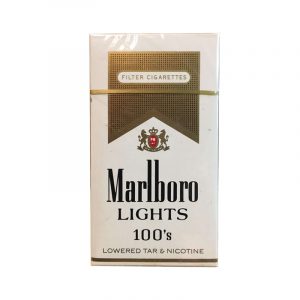
• Marlboro
• Camel
• Winston
• Parliament
Each brand contained dozens of variations, but the browsing logic remained simple.
Heat-not-burn systems introduced a different logic. Because products now exist within technological ecosystems, browsing often begins with the device system rather than the brand.
For example, users exploring heated tobacco products frequently start with the broader IQOS ecosystem, which can be found in the main category here:
From there, they may explore compatible sticks, devices, or accessories.
This structural change means that modern tobacco browsing increasingly resembles electronics shopping rather than traditional cigarette purchasing.
The Role of Device Ecosystems
Heat-not-burn systems introduced something new to tobacco retail: device ecosystems.
Just like smartphones or gaming consoles, heated tobacco products include multiple interconnected components. Devices require compatible sticks, and users often purchase accessories to enhance their experience.
Because of this ecosystem model, online stores now organize sections dedicated to device compatibility and related products.
For example, users exploring IQOS devices may also browse accessories that enhance device usage, such as chargers, cleaning tools, or protective cases.
These components can be found in sections such as:
The presence of these supporting products changes how users navigate the store.
Instead of moving from brand to brand, they move through layers of a technology ecosystem.
Devices Became a Starting Point for Exploration
Another important shift caused by heat-not-burn technology is that devices themselves often become the entry point into the browsing journey.
For many users, the first purchase is not a tobacco stick but the heating device itself. Once a device is selected, the user then explores compatible tobacco sticks and accessories.
Compact devices such as IQOS 3 Multi Brilliant Gold or IQOS 3 Multi Warm White illustrate how heated tobacco systems resemble portable electronic devices rather than traditional smoking products.
This shift toward device-centered browsing has changed the overall structure of tobacco retail websites.
Why Verification and Compliance Became Part of the Browsing Experience
As heat-not-burn technology expanded online tobacco retail, another important factor began shaping the browsing experience: regulation and age verification requirements.
Unlike traditional brick-and-mortar tobacco shops, online platforms must demonstrate compliance with strict legal standards when selling nicotine products. This includes verifying the age of customers and ensuring purchases follow regional regulations.
Because of this, modern tobacco websites often include visible compliance systems that influence how users interact with the store. These mechanisms can appear at different stages of browsing:
• age verification pop-ups when entering the website
• confirmation screens before checkout
• legal notices explaining product restrictions
• informational pages describing compliance policies
Understanding how these systems work has become an important part of navigating online tobacco stores. A detailed explanation of age verification systems and why they are used in nicotine platforms can be found here: Age Verification Explained for Online Nicotine Stores
These verification steps may add an extra layer to the browsing process, but they also help ensure that online tobacco platforms operate responsibly and within legal frameworks.
How Technology Reshaped the Tobacco Store Interface
Heat-not-burn devices did more than introduce new tobacco products—they changed how stores present their catalogs.
Instead of simple brand lists, modern tobacco websites increasingly use layered navigation systems. Users may browse products by device compatibility, product format, or technological ecosystem.
For example, heated tobacco stores now highlight:
• device generations
• compatible sticks and consumables
• accessories that improve device usability
• educational resources explaining product ecosystems
This approach reflects the complexity of heat-not-burn technology. Because devices and consumables work together, customers naturally explore multiple sections of a website before making a purchase.
The browsing experience therefore becomes more interactive and discovery-based.
Why Heat-Not-Burn Products Encourage Exploration
Traditional cigarette purchasing rarely requires extensive exploration. Most smokers simply return to their preferred brand and variant.
Heated tobacco systems work differently.
Because the technology is newer and includes multiple components, users often spend time learning about the ecosystem before making decisions. This encourages exploration of related products and accessories.
A customer who initially looks at a device may later explore compatible heatsticks, accessories, and additional device variants. This behavior naturally increases the amount of time users spend navigating the platform.
For online tobacco retailers, this shift creates opportunities to provide educational content that helps customers understand the broader product environment.
The Future of Tobacco Browsing
As tobacco technologies continue evolving, browsing behavior will likely keep changing as well.
Future tobacco stores may integrate even more interactive features, including:
• advanced product comparison tools
• compatibility filters for devices and consumables
• personalized product recommendations
• educational guides explaining new nicotine technologies
These features will help users navigate increasingly complex product ecosystems while maintaining clarity and accessibility.
In this environment, the browsing journey becomes just as important as the product itself.
Final Thoughts
Heat-not-burn technology has fundamentally changed how consumers explore tobacco products online.
Instead of simple brand selection, modern browsing now involves understanding device ecosystems, product compatibility, and evolving tobacco formats. This shift reflects the broader transformation of the tobacco industry toward technology-driven products.







Leave a reply
You must be logged in to post a comment.