
What Makes Marlboro One of the Most Iconic Cigarette Brands
What Makes Marlboro One of the Most Iconic Cigarette Brands
Few cigarette brands in the world have achieved the level of recognition that Marlboro enjoys. Even people who have never smoked can often identify its red-and-white packaging, name, and associations instantly. Marlboro is not simply a product line — it is a symbol that has shaped how cigarettes are perceived across generations.
For many adult smokers researching brand history and identity through platforms like the CigarettesRoad platform, Marlboro often appears as a reference point. Other brands are compared to it, positioned against it, or defined in contrast to it. This kind of influence does not happen by accident.
Understanding why Marlboro became iconic requires looking beyond nicotine strength or flavor profiles. The answer lies in branding, storytelling, and cultural positioning that extended far beyond the cigarette itself.
Marlboro as a Brand, Not Just a Product
From early on, Marlboro was built as a brand with a clear identity. While many cigarette companies focused primarily on taste or price, Marlboro invested heavily in image. It presented a lifestyle narrative — independence, confidence, and rugged self-reliance — that resonated deeply with American culture and later with global audiences.
This approach transformed Marlboro from a commodity into a cultural marker. Over time, the brand’s image became as important as the cigarettes themselves. That is why exploring the Marlboro cigarette lineup often feels like browsing variations of a single, well-defined philosophy rather than unrelated products.
The Power of Visual Identity
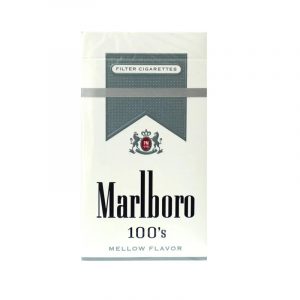
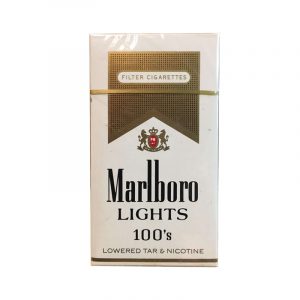
One of Marlboro’s greatest strengths has always been its visual consistency. The packaging design is immediately recognizable, even from a distance. The sharp contrast, bold colors, and minimalistic layout created a visual language that remained stable for decades.
This consistency built trust and familiarity. When consumers see a Marlboro pack, they know exactly what it represents — not just in taste, but in attitude. Very few cigarette brands have managed to maintain such a strong visual identity without frequent reinvention.
The red variant, in particular, became a benchmark. Many smokers still view Marlboro Red as a classic reference — not necessarily because it is the strongest or most popular option today, but because it represents the original statement the brand made to the world.
Cultural Influence and Global Reach
Although Marlboro’s roots are strongly tied to American culture, its influence expanded far beyond the United States. The brand’s imagery translated across borders, cultures, and languages with remarkable effectiveness. What started as a distinctly American narrative evolved into a global symbol of masculinity, freedom, and confidence.
This global resonance is one reason Marlboro continues to be discussed not only in brand-specific contexts but also in broader conversations about tobacco history. Articles such as the iconic Marlboro brand story often highlight how Marlboro shaped expectations for what a “premium” cigarette brand should look and feel like worldwide.
Marlboro’s Place in the Bigger Tobacco Landscape
Marlboro’s success also reshaped the competitive environment. Other brands had to respond — by redefining their own identities, targeting different audiences, or emphasizing alternative values such as elegance, innovation, or affordability.
To fully understand Marlboro’s impact, it helps to view it within the global cigarette landscape. Marlboro did not just succeed within that landscape; it helped define it. Its branding strategies influenced how cigarettes were marketed, perceived, and categorized for decades.
Why Iconic Status Endures
Iconic status is not achieved once — it must be maintained. Marlboro’s continued relevance comes from balancing consistency with subtle evolution. While the core identity remains intact, the brand adapts quietly to changing regulations, markets, and consumer expectations.
This ability to evolve without losing identity is rare, and it explains why Marlboro remains instantly recognizable even as smoking habits and alternatives continue to change.
Emotional Connection — Why Marlboro Feels Familiar
One of the most important reasons Marlboro became iconic lies beyond advertising metrics or market share. The brand established an emotional connection that many competitors never managed to achieve. For decades, Marlboro did not simply sell cigarettes — it sold a feeling.
That feeling was rooted in ideas of independence, confidence, and self-reliance. Even as social attitudes toward smoking evolved, the emotional memory attached to Marlboro remained intact. For many adult smokers, the brand became associated with personal milestones, routines, or moments of transition. This emotional layer made Marlboro harder to replace than brands built purely on taste or price.
Memory, Identity, and Generational Recognition
Brands that last for generations often become part of shared cultural memory. Marlboro is a prime example. Parents recognized it. Grandparents recognized it. Even people who never smoked knew the name and imagery.
This kind of recognition creates continuity. Marlboro did not need to reintroduce itself to each new generation; it was already there, embedded in collective awareness. When a brand becomes this familiar, it stops feeling like a choice and starts feeling like a reference point.
That generational presence strengthened Marlboro’s authority. New brands could appear modern or innovative, but Marlboro represented history and legitimacy — qualities that carry weight in long-standing consumer categories like tobacco.
Consistency as a Strategic Advantage
Many brands lose relevance because they chase trends too aggressively. Marlboro followed a different path. Its strategy relied on controlled evolution rather than constant reinvention.
Packaging changes were subtle. Messaging shifted carefully. Core identity elements remained intact. This consistency reassured consumers that the brand they trusted yesterday would still be recognizable tomorrow.
In industries where trust and habit matter, consistency becomes a competitive advantage. Marlboro understood this early and protected its identity even when regulations and market conditions changed.
Marlboro Beyond Advertising
By associating smoking with imagery, values, and personal expression, Marlboro elevated the category. Competitors were forced to respond, either by copying elements of this approach or by deliberately differentiating themselves from it.
This shift changed the entire market. Cigarettes were no longer just about nicotine delivery; they became symbols, statements, and identity markers.
Why Iconic Brands Resist Disruption
Many iconic brands struggle when consumer behavior changes. Marlboro’s resilience comes from its ability to remain relevant without redefining itself entirely.
As alternatives to traditional smoking gained popularity, Marlboro retained its role as a benchmark. Even when users explored new formats, Marlboro often remained the mental comparison point — the standard against which other experiences were measured.
This resistance to disruption is not accidental. It is the result of decades of disciplined brand management and a deep understanding of consumer psychology.
The Difference Between Popular and Iconic
Not every popular brand becomes iconic.
Marlboro crossed that threshold by embedding itself into culture rather than chasing short-term attention. Its presence feels stable, familiar, and authoritative — qualities that are difficult to manufacture and easy to lose.
Why Marlboro’s Story Still Matters
Marlboro’s story matters not because it represents the past, but because it illustrates how brands achieve longevity. They apply to any industry where trust, identity, and emotional connection influence long-term success.
Marlboro shows that:
• clarity of identity beats constant reinvention,
• consistency builds authority,
• emotional resonance outlasts short-term trends.
These principles explain why Marlboro continues to be studied, referenced, and recognized worldwide.






Leave a reply
You must be logged in to post a comment.