
Cigarettes vs IQOS vs Vapes: What Do American Smokers Choose
Cigarettes vs IQOS vs Vapes: What Do American Smokers Choose?
In the United States, adult smokers are no longer limited to a single format when choosing how they consume nicotine or tobacco. Over time, the market has expanded to include traditional cigarettes, heat-not-burn systems, and a wide range of vaping products. This variety has created a natural question for many users: which option fits their habits best?
Platforms like the CigarettesRoad online marketplace make this comparison more visible by placing different product categories side by side. Instead of forcing users into one direction, these platforms highlight how each option serves a different purpose, lifestyle, or preference.
Cigarettes as the Traditional Reference Point
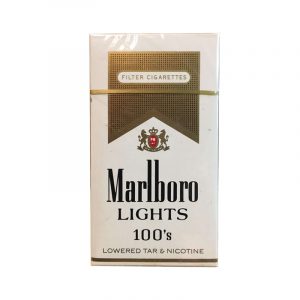
For decades, cigarettes have defined the smoking experience in the United States. Familiar routines, established brands, and consistent flavor profiles make them the reference point against which all other options are compared. Many adult smokers continue to rely on cigarettes because they know exactly what to expect.
The full range of classic products is organized within the cigarettes category, where users can explore different brands, formats, and strength levels. Even smokers who experiment with alternatives often return to cigarettes, using them as a baseline for comparison rather than abandoning them entirely.
This role as a reference point explains why discussions around alternatives almost always begin with cigarettes. Whether users are curious about new technology or simply looking for variety, cigarettes remain central to the conversation.
IQOS and Heat-Not-Burn: A Tobacco-Based Alternative
Heat-not-burn systems, most commonly associated with IQOS, have attracted attention from smokers who want something different without fully stepping away from tobacco. These products heat specially designed sticks instead of burning them, creating a distinct ritual that appeals to users who value structure and familiarity.
The ecosystem behind these devices is presented within the IQOS category, where devices and compatible products are grouped together. For many smokers, IQOS represents a middle ground — closer to cigarettes in ritual, but different in use and experience.
Questions about how these systems compare to cigarettes naturally arise. This curiosity has led to deeper discussions around taste, routine, and perception, especially among smokers who are exploring alternatives while still identifying strongly with traditional tobacco.
Vapes and the Shift Toward Convenience
Vaping products represent a different approach altogether. Instead of focusing on tobacco, many vapes emphasize convenience, portability, and variety. Disposable options, in particular, appeal to users who want a straightforward experience without maintenance or long-term commitment.
These products are grouped within the disposable vapes category, making it easy for users to understand how they differ from both cigarettes and heat-not-burn devices. For some smokers, vapes serve as an occasional alternative rather than a full replacement, fitting specific situations or preferences.
Comparisons between vapes and cigarettes are common, especially among users trying to understand how the experience differs in everyday use. Broader discussions, such as vapes vs cigarettes from a U.S.
Different Habits, Different Preferences
When comparing cigarettes, heat-not-burn products, and vapes, it becomes clear that preferences are closely tied to personal habits rather than objective rankings. Many smokers are not looking for a “better” or “worse” option, but for something that fits naturally into their daily routine.
Cigarettes often appeal to users who value familiarity and simplicity. There is no setup, no learning curve, and no additional equipment beyond the product itself. For smokers who prioritize predictability, this straightforward experience remains highly attractive.
Heat-not-burn products, by contrast, tend to attract users who enjoy structure and consistency but are open to change. These users often appreciate the ritual involved in using a device and the controlled nature of the experience. The transition feels more gradual, especially for those who want to stay within a tobacco-based format.
Why Context Matters More Than Format
One of the most important factors in choosing between these options is context. Many smokers adjust their preferences depending on where they are, what they are doing, and how much time they have. What works in one situation may not feel suitable in another.
For example, some users prefer cigarettes during social moments, while turning to alternatives in more controlled environments. Others choose vapes for their portability and ease of use when convenience is a priority. This flexibility highlights why many smokers do not commit exclusively to a single format.
Understanding this context-driven behavior helps explain why comparisons between product types are rarely absolute. Instead of replacing one option with another, users often combine them in ways that reflect their lifestyle.
The Role of Curiosity and Experimentation
Curiosity plays a significant role in how smokers explore alternatives. Exposure to new products often begins with interest rather than dissatisfaction. Many smokers are simply curious about how different formats feel and how they compare to what they already know.
Experimentation allows users to form their own opinions instead of relying solely on external opinions or trends. Over time, this personal experience becomes more influential than general comparisons. What feels right to one smoker may not resonate with another, reinforcing the importance of individual choice.
This experimentation phase is often ongoing. Even experienced smokers may revisit different options as new products emerge or as their routines change.
Moving Beyond One-Size-Fits-All Comparisons
Broad comparisons can be useful, but they rarely capture the full complexity of real-world behavior. Smoking preferences are shaped by habit, environment, and personal comfort rather than by simple feature lists.
As smokers gain more exposure to different options, their choices become more nuanced. Instead of asking which product is better, they begin to consider which option works best in specific situations. This shift in perspective reflects a more mature and informed approach to decision-making.
How Preferences Evolve Over Time
Smoking preferences are rarely fixed. As habits change and lifestyles evolve, many adult smokers reassess their choices and adapt accordingly. What feels comfortable at one stage may feel less suitable later, leading users to explore different options or combine multiple formats over time.
This gradual evolution explains why comparisons between cigarettes, heat-not-burn products, and vapes remain relevant. Rather than making a permanent switch, many smokers move fluidly between options, choosing what feels appropriate for their current routine. This flexibility reflects a broader trend toward personalization rather than strict loyalty to a single product type.
The Importance of Personal Comfort and Control
Across all product categories, personal comfort plays a decisive role. Users tend to gravitate toward options that feel intuitive and align with their expectations. Control over the experience—how, when, and where a product is used—often matters more than technical differences between formats.
When smokers feel in control of their choices, satisfaction tends to increase. This sense of control reduces pressure to conform to trends or external opinions and allows individuals to define their own balance between familiarity and exploration.
Why Comparisons Are a Starting Point, Not a Conclusion
Comparative guides help users organize information and understand differences, but they are rarely the final step in decision-making. Real understanding comes from experience, reflection, and adjustment over time. Comparisons provide a framework, but personal usage determines what truly works.
As smokers become more informed, they often move beyond surface-level comparisons and focus on how products integrate into daily life. This shift from theoretical evaluation to practical experience marks a more thoughtful approach to choice.
Conclusion: Choosing What Fits Your Lifestyle
Choosing between cigarettes, IQOS, and vapes is not about identifying a single best option. Instead, it is about understanding how each format fits into a broader lifestyle. Adult smokers benefit most when they view these products as tools that can be adapted rather than as rigid alternatives.
By approaching the decision with openness and realistic expectations, users can navigate the variety of available options with confidence. This perspective encourages informed, intentional choices that reflect individual preferences rather than external pressure.







Leave a reply
You must be logged in to post a comment.