
How Multi-Format Tobacco Stores Are Organized: Cigarettes, IQOS, and Beyond
How Multi-Format Tobacco Stores Are Organized
Modern tobacco stores are no longer built around a single product type. Today, one platform can offer classic cigarettes, heat-not-burn systems, pod devices, disposable vapes, and accessories — all at the same time. For users, this variety is convenient. For stores, it creates a structural challenge.
Without a clear system, multi-format platforms quickly become confusing. Users start comparing incompatible products, misunderstand technologies, and feel lost. That’s why successful stores rely not on long explanations, but on format-first organization
This article explains how multi-format tobacco stores are structured, why formats must be separated, and how this structure helps users navigate confidently without confusion.
Why Multi-Format Stores Can’t Use One Universal Structure
A store that sells only cigarettes can organize everything by brand and strength.
A store that sells multiple formats cannot.
When cigarettes, IQOS devices, and pod systems are mixed without clear boundaries, users naturally ask:
• Are these products meant to replace each other?
• Can they be compared directly?
• Which category should I even start with?
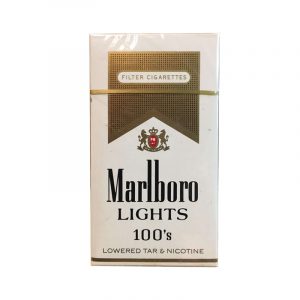
That’s why modern platforms begin with format separation, starting from a clear base like the main cigarettes category. This immediately tells users: this is the classic tobacco format, not a device, not a pod, not a vape.
Structure removes the need for explanation.
Format Comes Before Brand
In multi-format environments, format always comes before brand.
Before a user cares about brand identity, they must understand:
• whether they are looking at combustible products
• heat-not-burn technology
• or electronic nicotine delivery
That’s why IQOS is never placed next to cigarettes. Instead, it lives in its own ecosystem, starting with the dedicated IQOS category.
This separation prevents false comparisons and helps users make decisions based on technology, not marketing language.
IQOS as a Separate Ecosystem (Not “Another Cigarette”)
One of the most common mistakes users make is treating IQOS like a cigarette alternative rather than a different system. A well-structured store prevents this mistake by design.
Within the IQOS ecosystem, devices are clearly separated from consumables. For example, modern platforms distinguish next-generation devices inside IQOS devices, where newer systems like ILUMA are positioned as technological evolution — not as accessories to cigarettes.
This structural clarity matters more than any description. Users immediately understand they’re entering a different product world.
Why Heatsticks Are Not Placed With Cigarettes
Another critical structural decision is separating consumables for heat-not-burn systems.
Products like HEETS are not cigarettes, even if they look familiar. That’s why they live in a dedicated space such as heatsticks for IQOS.
This prevents:
• incorrect usage
• false expectations
• user frustration
The structure itself teaches the user how products are meant to work together — without long instructions.
JUUL and Pod Systems Require Their Own Logic
Pod systems follow a completely different usage model. They are not cigarettes and not heat-not-burn. Mixing them into either category would instantly confuse users.
That’s why JUUL products are organized under their own ecosystem, such as JUUL pods and kits.
Here, users understand they’re dealing with:
• closed pod systems
• device + pod logic
• a distinct consumption style
Again, structure replaces explanation.
Structure Prevents Cross-Format Confusion
The real goal of multi-format organization is confusion prevention.
When formats are clearly separated:
• users don’t compare incompatible products
• expectations stay realistic
• decisions feel easier and safer
This is the same structural philosophy discussed earlier in Why Product Structure Matters More Than Descriptions — structure guides behavior long before text does.
Where Disposable Vapes Fit in a Multi-Format Store
Disposable vapes introduce yet another format that cannot be mixed with others. They are neither cigarettes nor heat-not-burn, and they do not follow the pod logic of JUUL.
That’s why well-structured platforms place them in a separate, clearly labeled space such as disposable vapes.
This tells users immediately:
• these are single-use devices
• no refills or consumables are required
• expectations should be different from IQOS or pods
By isolating disposable vapes structurally, the store prevents incorrect comparisons and reduces user hesitation.
New Generations Must Be Positioned as Evolution, Not Variations
One of the biggest structural mistakes stores make is treating new technology as a minor update. In reality, new generations require new context.
That’s especially true for ILUMA. It isn’t just another IQOS model — it represents a technological shift. A clear way to communicate this is through product placement, not description length.
Positioning a flagship like IQOS ILUMA Prime Black inside the devices ecosystem signals:
• a new generation
• a different usage experience
• a step forward, not sideways
Users grasp this instantly because of structure, long before reading specifications.
Why Accessories and Consumables Should Never Lead
In multi-format stores, accessories and consumables must always follow the device logic — never the other way around.
When users encounter consumables first, they ask:
• what device does this belong to?
• do I need something else?
• am I missing a step?
Good structure avoids this by making devices the entry point and consumables the continuation. This keeps navigation intuitive and prevents accidental purchases.
Multi-Format Stores Should Teach Without Explaining
One of the strongest benefits of format-based organization is silent education.
Users learn:
• what replaces what
• what works together
• what doesn’t belong together
They learn this not from long guides, but from where products are placed. This reduces support requests, misunderstandings, and post-purchase dissatisfaction.
Structure becomes the teacher.
Why “All-in-One” Still Needs Clear Separation
Many platforms promote the idea of “everything in one place.” That’s a valid message — but only if structure supports it.
A page like All You Need in One Place works as a conceptual overview, not as a mixing point. It reassures users that the platform is complete, while the internal structure ensures clarity and order.
In other words:
• marketing can say “all-in-one”
• structure must still say “everything has its place”
Structure Prepares Users for What Comes Next
Good structure doesn’t just help users browse today — it prepares them for future decisions.
When users understand formats clearly, they are less likely to:
• make wrong assumptions
• feel misled
• abandon the platform
This sets the stage for deeper topics, such as common browsing mistakes and decision traps, which are explored next in Common Browsing Mistakes in Large Tobacco Stores.
Structure makes that transition natural.







Leave a reply
You must be logged in to post a comment.